


Playing Not to Lose
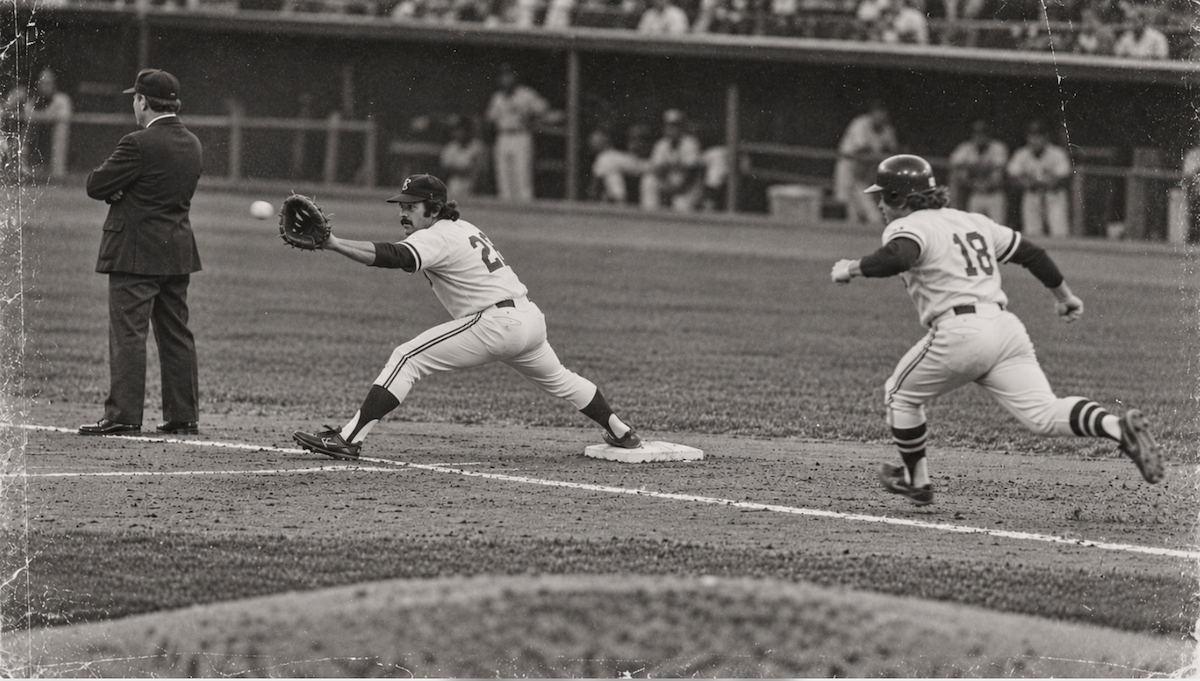
Every fan knows the feeling. Your team gets a lead, then stops playing to win and starts playing not to lose. The aggressive offense goes conservative. The bold calls get shelved for safe ones. And you watch, stomach sinking, because you have seen this movie — the team that plays not to lose usually does exactly that. They lose. The prevent defense prevents the win.
Marketing has its own prevent defense, and it shows up as the safe choice. The inoffensive headline. The stock photo nobody objects to. The positioning carefully sanded down until no one in the room can disagree with it — and no one in the market can remember it. Owners reach for safe because it feels like risk management. In a crowded market, safe is the risk.
The Real Danger Is Invisible, Not Wrong
Here is the math people get backwards. They treat a bold message as high-risk because it might offend or fall flat. But the downside of bold is that some people ignore you. The downside of bland is that everyone does. Invisible is not the safe outcome. Invisible is the loss.
Safe creative does not fail loudly. It fails quietly, by blending into the wall of sameness your customer scrolls past without a flicker of recognition. You did not get rejected. You got overlooked, which is worse, because you cannot even learn from it. A bold play that misses at least tells you something. A safe play that disappears tells you nothing and costs you the same money.
Bland does not protect you from failure. It just makes the failure quiet enough to ignore until the budget runs out.
Ask 7UP What Bold Bought Them
When 7UP was fighting for shelf space, the safe move was obvious: explain the clear, crisp, caffeine-free soda on its own terms and hope people came around. Instead they did something risky. They named the giant in the room and stood against it. They called themselves the Uncola.
That is a bold formation. It borrowed the entire weight of a category everyone already understood — cola — and used it to define itself by contrast in three syllables. Safe would have been forgettable. Bold made 7UP impossible to file anywhere except its own new shelf in the customer’s head. The risk was the whole point, and the risk is what paid.
How to Run This Play Monday
Take your current message and ask the uncomfortable question: could a competitor put their name on this exact sentence and have it still be true? If yes, you have written something safe, which means you have written something invisible. Bold is not loud or obnoxious. Bold is specific enough that only you could have said it.
Then find the place you have been sanding down a sharp idea to avoid disagreement, and stop sanding. The version a few people push back on is usually the version the rest will actually remember. You are not trying to offend. You are trying to be unmistakable.
The Ref’s Call
Yellow flag on the play. Lining up in the safe, bland formation feels cautious but it leaves you invisible, and invisible is a loss you cannot even diagnose — call it a Rule 10 foul, Illegal Formation, because you have set up in a way that cannot move the ball. Trade safe for specific. Be the Uncola of your category. The bold call is the one that actually protects you.