


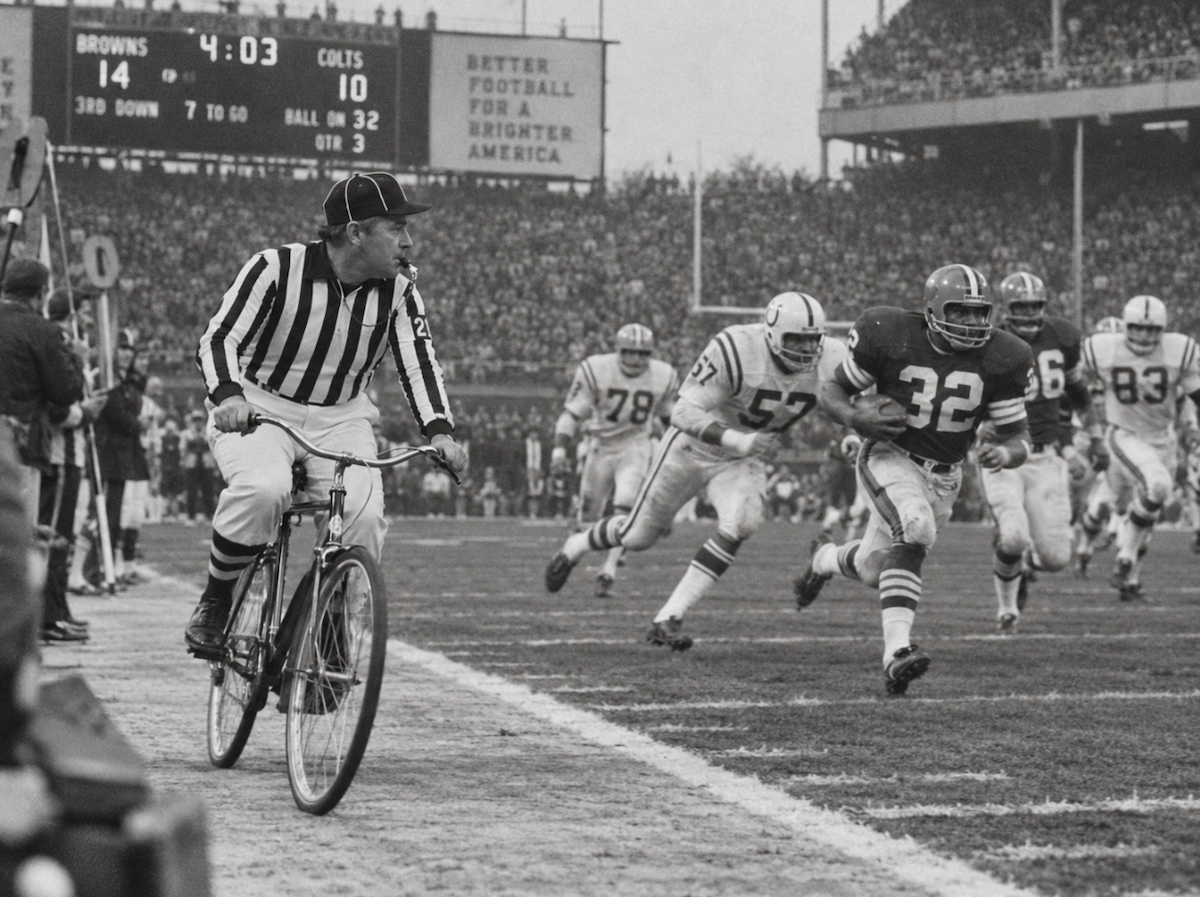
A Word Worn Smooth
Say a word enough times and it goes smooth like a coin that's been in too many pockets. You can still read the face, but the edges that gave it grip are gone. "Gimmick" is one of those coins. It shows up in pitch meetings as a verdict — "that's just a gimmick" — and in marketing decks as a goal — "we need a gimmick." Same word, opposite intentions, and somewhere in the middle the actual meaning fell out.
So let's run it back to the tape and figure out what the word is supposed to do, because the confusion isn't academic. When you can't tell a real gimmick from a real idea, you green-light the wrong plays and kill the right ones.
Where the Word Came From
The term surfaced around the 1920s, and its origin is genuinely murky — which is fitting for a word about hidden tricks. The most charming theory is that it's an anagram of "magic," scrambled letters for a thing that seems to work by some mysterious quality you can't quite see. That tracks. A gimmick, in its honest original sense, was the concealed device that made the trick work — the magician's secret mechanism, the hook you weren't supposed to notice.
Notice what that original meaning required: the gimmick served the effect. The hidden device existed to deliver something real to the audience — wonder, surprise, a reason to lean in. It wasn't the whole act. It was the engine under the act.
A hook that carries the message is a play. A hook that replaces the message is a foul.
When the Hook Becomes the Foul
Here's the line, and here's where I reach for the flag. A clever hook that delivers people to a real message is one of the best plays in the book. 7Up calling itself the "Un-Cola" was a hook — but it carried a genuine idea: here's a clear soda, understood through the thing you already know. The novelty served the message. People got something true on the other side of the cleverness.
The foul is when novelty shows up to replace clarity instead of deliver it. The QR code that leads nowhere useful. The "experience" that takes ninety seconds to load and tells you nothing about the product. The mascot, the stunt, the AR filter standing in the spot where a clear value proposition was supposed to be. That's an illegal formation — you've lined up something flashy where the actual play was supposed to start, and the snap never comes. The audience leaves entertained and uninformed, which from a marketer's chair is a loss dressed as a highlight.
How to Tell the Difference Monday
Before you greenlight the clever thing, ask one question: if I strip the novelty away, is there still a clear, true message underneath? If yes, the hook is an engine — run it. If no — if the cleverness is load-bearing and there's nothing behind it — you don't have an idea, you have a gimmick in the bad sense, and your audience will feel the emptiness even if they can't name it. And drop the word as a critique. "That's a gimmick" tells your team nothing. "The novelty isn't carrying a message" tells them exactly what to fix.
The Ref's Call
Clean play — when the hook delivers a real message, keep running it. But the moment novelty lines up in place of clarity, that's Rule 10, Illegal Formation: you've put the flashy thing where the substance was supposed to start. Magic works because there's craft under the wonder. Make sure there's a message under your hook, and the word "gimmick" can go back to meaning what it should.