


The Easy Bar to Clear
Any coach can win a scrimmage by lowering the rim. Drop it to eight feet and everybody dunks, everybody cheers, everybody goes home feeling like a star. It's the easiest way in the world to manufacture the feeling of success. It's also how you guarantee your team never beats anyone who left the rim at ten.
Marketing teams do this constantly, and they almost never call it what it is. It hides under nicer words — "accessible," "broad appeal," "meeting people where they are." Sometimes that's exactly right. But often it's just the rim coming down, because raising your game to meet the best and pulling your audience up with you is genuinely hard, and lowering the bar so everyone feels successful is genuinely easy.
The Foul Underneath the Flattery
Here's the flag. Catering to the lowest common denominator isn't generosity toward your audience — it's a quiet insult. You're deciding, on their behalf, that they can't handle a real idea. That they need the watered-down version. That a number on a dashboard going up is worth more than respecting the intelligence of the person reading your work.
And the market feels it. People know when they're being talked down to. The content that explains nothing, the campaign that asks nothing of them, the message engineered so no one could possibly be challenged — it reads as exactly what it is. Hollow. You lined up something safe and frictionless in the spot where a real idea was supposed to start, and the audience that could've become loyal moves on, because there was nothing there worth staying for.
Respect the audience's intelligence and they'll reward you for it. Insult it gently, and they'll leave politely.
Why Raising the Game Wins
The brands people actually love almost never aim at the bottom. They assume their audience is smart, curious, and capable of handling a real point of view — and that assumption becomes a compliment the audience can feel. Apple never explained itself down to the slowest person in the room. It built for people who wanted more and trusted them to rise to it. The trust was the product, as much as the device.
When you raise the bar, you do something a dumbed-down message can never do: you create a reason to belong. People want to be part of something that takes them seriously. A challenging idea, clearly delivered, says "I think you can keep up" — and most people desperately want to be that person. Lower the rim and you've told them you didn't think they could.
How to Raise It Monday
Take your next piece of marketing and find the spot where you flinched — the place you simplified not for clarity but out of fear the audience wouldn't follow. Clarity is a virtue; cowardice dressed as clarity is the foul. Put the real idea back. Trust them with the actual point. Say the thing you were tempted to soften. You'll lose the people who were never going to stay, and you'll earn the ones who were waiting for someone to treat them like they could handle it.
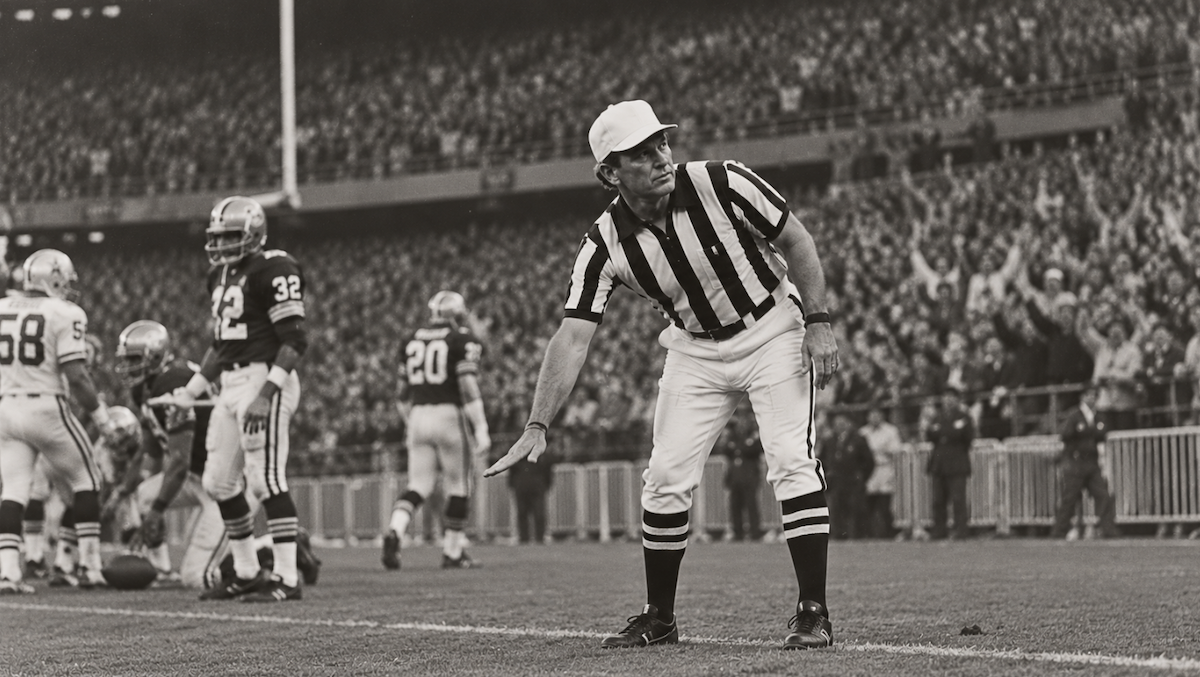
The Ref's Call
Yellow flag on the play. Lowering the bar so everyone feels successful isn't a strategy — it's an illegal formation under Rule 10, lining up something safe and empty where a real idea belonged. It won't get you ejected, but it's a penalty that quietly costs you the audience worth having. Raise the rim back to ten. Respect their intelligence, and let the people who want to rise come find you.