


Two Buyers, Two Different Games
Two people walk into the same store to buy the same thing and play completely different games. The first reads every review, compares every spec, opens twelve tabs, and will not commit until they are convinced they have found the best possible option. The second glances at two choices, decides one is good enough, and is out the door in ninety seconds, perfectly happy. Same product. Same price. Opposite buyers.
Psychologists named these two the maximizer and the satisficer. I first heard about these two personality types from Aziz Ansari’s 2015 book ‘Modern Romance: An Investigation’ in which he partnered with Eric Klinenberg, a NYU Sociologist to uncover patterns in mountains of dating info.
Maximizers want the best. Satisficers want good-enough, now. And here is why this belongs in the rulebook: if you build your whole pitch for one and the person in front of you is the other, your best material falls flat. You are not bad at selling. You are playing the wrong opponent.
The Maximizer Wants to Be Sure
The maximizer’s fear is not the wrong price. It is the better option they did not find - we now tend to call this FOMO or Fear of Missing Out. They are haunted by the possibility that something superior was one more tab away. So they research, compare, and delay — not because they are difficult, but because committing before they are certain feels like losing.
The maximizer is also the person that fills every minute of a vacation with a schedule in order to take in every offer, ride, coupon, attraction, and you get the point. The maximizer takes advantage of the time and place to the fullest.
Sell to a maximizer by feeding the comparison they are already running. Give them the spec sheet, the proof, the third-party validation, the honest answer to "why you over them." Depth reassures this buyer; vagueness terrifies them. The brands that win maximizers do not hide the detail — they hand it over, because they know this buyer is going to find it anyway and would rather find it from you.
The Satisficer Wants to Be Done
The satisficer is running the opposite play. Their fear is not the second-best choice. It is the exhausting, time-eating process of choosing at all. They want a credible option, a reason to trust it, and permission to stop looking. To a satisficer, your beautiful forty-point comparison chart is not reassurance. It is friction. It is homework. It is a reason to close the tab and go do something else.
The maximizer is afraid of the option they missed. The satisficer is afraid of the search itself. You cannot calm both fears with one sentence.
Sell to a satisficer by reducing the decision. Make the good choice obvious, make trust fast, and clear the path to "yes" of every extra step. A clear recommendation, a simple guarantee, a default option that says "most people like you pick this" — that is what lets a satisficer commit. Where the maximizer wants more to consider, the satisficer wants less.
The Foul: Selling to the Wrong One
Most messaging is unconsciously built for one type, almost always the one the founder happens to be. A maximizer founder buries the page in detail and accidentally exhausts every satisficer who lands on it. A satisficer founder keeps it simple and clean and accidentally starves every maximizer of the proof they need to commit. Both are running a good play against the wrong opponent, and both blame the conversion rate instead of the matchup.
And it gets one layer deeper. The same person can switch types depending on the stakes. Choosing a heart surgeon turns almost everyone into a maximizer. Choosing where to grab lunch turns almost everyone into a satisficer. So the question is not just who your customer is — it is which game your purchase puts them in. A high-stakes, expensive, hard-to-reverse decision pushes people toward maximizing. A low-stakes, cheap, easily-undone one pushes them toward satisficing. Read the stakes and you can predict the buyer.
How to Run This Play Monday
Figure out which game your offer creates. Be honest about the stakes from the customer’s seat, not yours. Is this a high-consideration purchase where people will compare and agonize, or a low-friction one where people just want a trustworthy default? That answer tells you which buyer dominates your funnel.
Then audit your message against that buyer. If you sell to maximizers, are you giving them enough proof and comparison to feel certain? If you sell to satisficers, are you clearing friction and making the good choice obvious, or burying them in options? And if you genuinely serve both, stop forcing one page to do both jobs — give the maximizer a path to the depth and let the satisficer take the clear default without wading through it.
The Ref’s Call
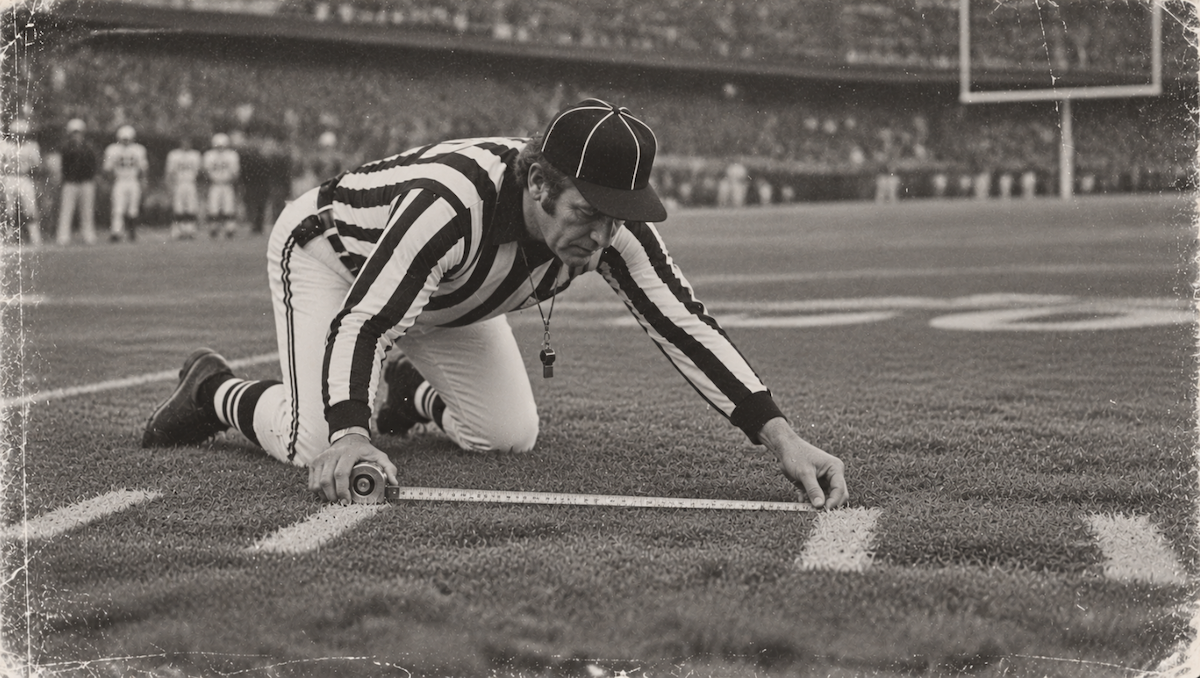
Clean play — keep running it. Identifying whether you are selling to maximizers or satisficers and messaging to the buyer actually in front of you is exactly the discipline that converts, and it is the cure for Rule 3, Wrong Opponent. Read the stakes, name the buyer, and match the play to the matchup. Win the right game and the conversions follow.