


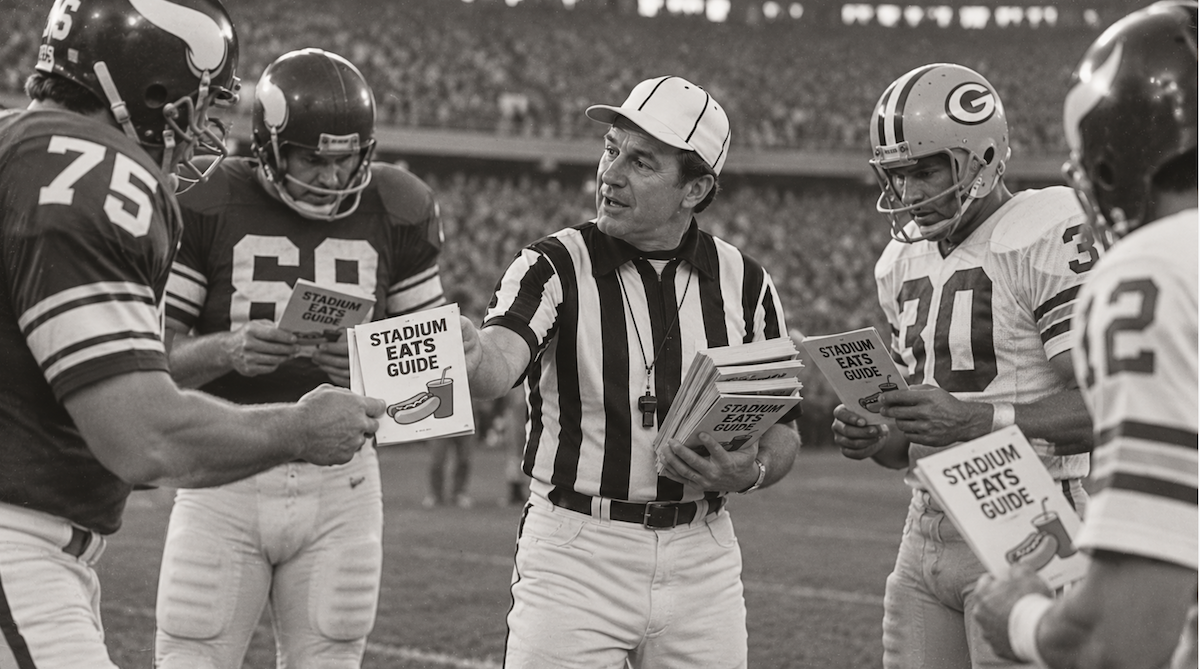
The Classic Play
Some marketing plays are so good they stop looking like marketing at all. They get absorbed into the culture so completely that the world forgets a tire company is behind the most prestigious restaurant rating on earth. Let's run the Michelin Guide back to the tape, because it's one of the great long-game plays ever drawn up — and the lesson underneath it is still the one most teams refuse to learn.
The Setup
Rewind to 1900. The Michelin brothers, André and Édouard, run a tire company in France. The problem is brutal in its simplicity: there are roughly three thousand cars in the entire country. Almost nobody drives, and the people who do don't drive much. No driving means no worn tires. No worn tires means no replacement sales. Their entire business depends on a behavior the public has barely adopted.
Most companies in that spot do the obvious thing — shout about their tires. Better grip, longer life, lower price. Run the ad, push the product, chase the sale that's right in front of you. The Michelins looked at the same problem and saw something deeper. They didn't have a tire problem. They had a driving problem. People wouldn't wear out tires until they had somewhere they wanted to go.
The Play
So they didn't sell tires. They published a guide — and gave it away free. A small red book stuffed with everything a motorist could need: maps, where to find fuel, how to fix a tire, which towns had a mechanic, and, crucially, where to find a good hotel and a great meal along the way. It wasn't an ad for Michelin. It was a genuinely useful tool for the act of going somewhere.
Notice the audacity of the angle. They built an entire piece of content whose only job was to make driving more appealing — to send people out onto the roads, toward dinners and destinations, far from home. The further they drove and the more they explored, the more their tires wore down. Michelin profited not by talking about their product, but by fueling the behavior their product depended on. Over the years the dining recommendations became the crown jewel, and the famous star ratings turned the guide into the definitive authority on fine dining worldwide — an authority a tire company built on purpose.
They didn't advertise the tire. They made the world want to drive — and let the worn-out tires take care of themselves.
Why It Worked
It worked because it solved the real problem instead of the obvious one. Selling harder against three thousand cars would've been shouting into an empty room. By growing the underlying behavior — driving, exploring, going places — Michelin expanded the entire market its product lived in. A rising tide of road trips floated every tire they'd ever make.
It worked because it earned trust by being useful, not promotional. The guide gave before it asked. It helped you find dinner and a bed for the night, and in doing so it wove the Michelin name into the best parts of a journey rather than interrupting them. The value was real, so the brand affection was real — the opposite of an ad you tolerate.
And it worked because it was patient. The payoff wasn't a spike in next-quarter sales. It was decades of cultural authority and a market that grew steadily underneath them. They planted a forest, not a firework.
The Lesson
Here's the takeaway for your team, and it cuts against every instinct a dashboard trains into you. Sometimes the smartest play isn't to sell your product. It's to grow the behavior your product depends on, and to do it by being so genuinely useful that the audience welcomes you in. Ask the question Michelin asked: what does my customer have to be doing for my product to matter — and could I help them do more of that, freely, brilliantly, before I ever pitch?
That's the long-game content play in its purest form. Don't make an ad. Make something so valuable people keep it on the shelf, and let the product sales follow the behavior you grew.
The Ref's Call
Clean play — about as clean as they come, and worth studying for a century. Michelin is the antidote to Rule 5, Chasing the Highlight Reel: instead of grabbing for the obvious short-term sale, they built patient value that grew the whole market their product lived in. Stop chasing the next-quarter spike. Grow the behavior, earn the trust, and let the worn-out tires keep the score.