


The Same Wall, Two Stories
Roll the tape on any close game and watch how two coaches read the exact same situation. Down ten with six minutes left, one coach sees a deficit — a wall, a thing in the way. The other sees a clock that's still running and a defense that has to keep guarding every inch — a thing on the way to a comeback. Same scoreboard. Same minutes. Completely different game, because the frame came first and the frame decided everything that followed.
That's the frame problem, and it's the most underrated skill in marketing. The world is made up of two kinds of things: things in your way, and things on your way. Most of what lands on your desk is the second kind wearing the costume of the first.
The Costume Most Obstacles Wear
A chair is only a chair while you intend to sit in it. Need a light bulb changed and it becomes a step ladder. Set a plate on it and it becomes a table. The object never moved — your intent did, and your intent is what named it. Things are defined by their utility, and utility is a choice you're making whether you notice or not.
Marketing problems are exactly that slippery. A flood of "where's my order?" support tickets looks like a thing in your way — a cost, a fire to put out. Reframe it: that's a list of the exact moments your buyers feel anxious, handed to you for free. Now it's a thing on your way to a better post-purchase email, a clearer shipping page, a tighter promise. The tickets didn't change. Your frame did.
A wall is only a wall until you decide it's a ladder. The object doesn't get a vote — your intent names it.
Where Teams Send Mixed Signals to Themselves
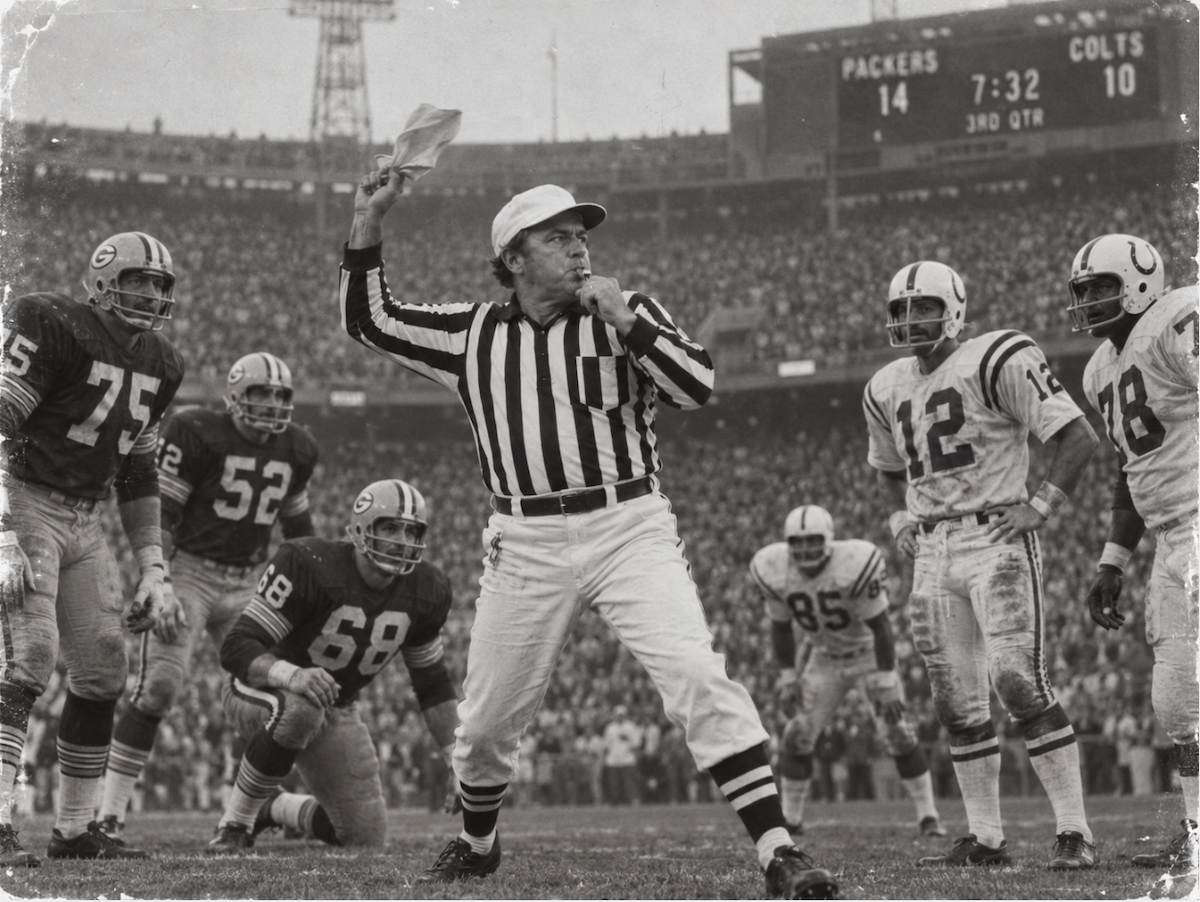
Here's where I throw the flag. When a team can't decide whether a thing is obstacle or assist, it sends mixed signals — to the market and to itself. Half the company treats negative reviews as a reputation fire to smother. The other half treats them as the clearest product roadmap you'll ever get. Both can't run the play. The customer feels the wobble, and the team burns energy fighting itself instead of the actual game.
Pick the frame on purpose. A competitor's new feature is either a threat that makes you defensive and twitchy, or a free market-research report telling you what buyers now expect. A budget cut is either a loss or a forcing function that finally kills the channel you were too sentimental to cut. You don't get to choose what shows up. You absolutely choose what it becomes.
How to Run It Monday
Take the thing on your desk that feels most like a wall this week. Write one sentence: "This is in my way because ___." Then write the harder one: "This is on my way because ___." Force the second sentence even when it feels like a stretch — that stretch is the whole exercise. Nine times out of ten the obstacle was an assist you hadn't named yet. The tenth time, at least now you know it's a real wall and you can stop arguing with it.
The Ref's Call
Clean play — keep running it. Choosing your frame before you react is the opposite of the wobble we warn about in Rule 6, Mixed Signals. When you decide on purpose whether a thing is in your way or on your way, your team stops contradicting itself and starts moving in one direction. Name the utility, pick the frame, and watch the wall turn into a ladder.