


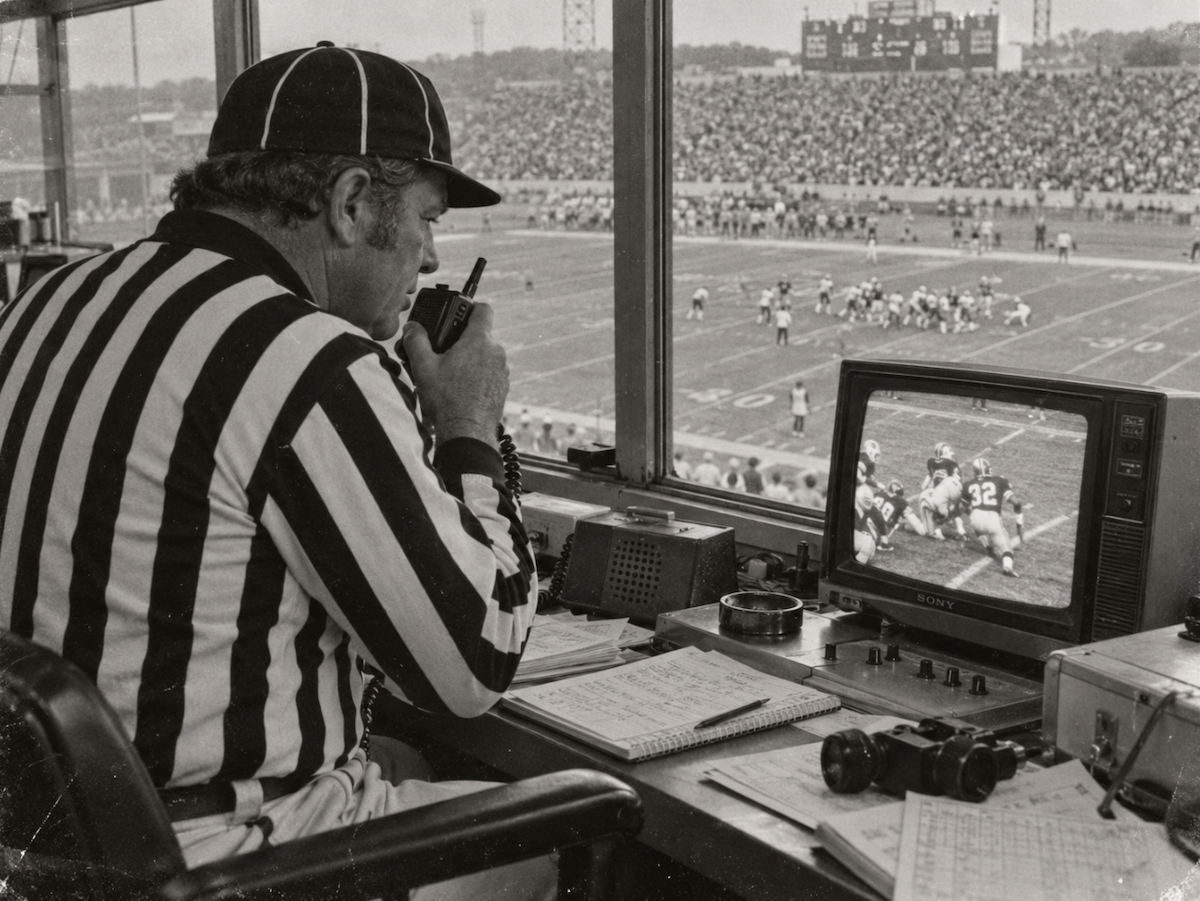
The Replay That Changed the Call
Watch how a modern game gets officiated. A bang-bang play happens at full speed, the call goes one way, and then the booth pulls the replay. Slow it down, get the right angle, and sometimes the truth is the opposite of what everyone in the stadium swore they saw. The replay doesn't just confirm — it corrects. That's the power of reading evidence carefully instead of reacting to the blur.
But here's the part nobody talks about: the replay is only as good as the feed. Bad camera angle, dropped frames, a clock that's out of sync, and the booth confidently confirms the wrong call. Now the technology that was supposed to find the truth is laundering an error and stamping it "verified." That's the whole challenge of data literacy in two scenes. Reading the numbers well, and knowing when the feed itself is lying to you.
Anyone Can Read a Number. Few Can Read the Story.
Data literacy is not "can you find the number on the dashboard." Everyone can do that. It's whether you can read what the number means — the story underneath it. And numbers, left alone, are terrible storytellers. They'll let you believe almost anything if you don't interrogate them.
Conversions jumped 30% last month. Great game, right? Maybe. Or a holiday inflated the whole category and you actually lost share. Or a tracking change started double-counting. Or one enterprise deal skewed an average that describes nobody. The raw number — up 30% — is true in all four stories, and in three of them it's quietly bad news. Reading the number is trivial. Reading which story you're in is the entire skill.
A number tells you what happened. Only the story tells you what to do about it.
The Three Questions of a Literate Read
Whenever a metric lands on your desk, run it through three questions before you let it change a decision.
Compared to what? A number alone is meaningless. Up 30% versus last month, last year, your target, or your competitors are four different stories. Without a baseline, you don't have data — you have a digit.
What's the denominator? Rates lie when the base is small. "Conversion rate doubled" is electric until you learn it went from one sale to two on a slow week. A handful of data points masquerading as a trend is one of the oldest traps in the book, and a literate reader checks the sample size before celebrating.
What's not in the frame? Every chart is cropped. The metric that's up may be stealing from one that's down — a discount that lifts conversions and craters margin, a campaign that wins clicks and tanks lead quality. Literacy means asking what the chosen number is conveniently leaving out.
Trust, But Verify the Feed
Now the harder skill, and the one most teams skip. Before you read the story, confirm the feed is real. The replay booth has been burned by a bad angle, and your dashboard has been burned by a broken tag, a duplicated tracking script, a bot surge, a timezone mismatch, a filter someone changed six months ago and forgot. When the feed is broken, careful analysis just produces a confident, well-reasoned wrong answer — which is more dangerous than no answer at all.
So build the verify step into the habit. When a number looks shocking — a huge spike, an impossible drop — your first move is to suspect the instrument, not the world. Does it reconcile across two sources? Did anything change in the tracking right before the shift? Does the magnitude even pass the sniff test? A literate reader is skeptical of the feed precisely because they respect the data. They know a broken replay doesn't just fail to help — it actively misleads, with the full authority of "the system says so."
How to Build the Habit
Make it a standing drill for the team. Every report-out answers the three questions out loud — compared to what, what's the denominator, what's not in the frame — before anyone proposes a decision. And every surprising number gets a feed check before it gets a headline. Slow the tape down, get the right angle, confirm the camera was working. Then, and only then, make the call.
Do this for a quarter and you'll watch your meetings change. Fewer confident reactions to blurry plays, more decisions that hold up the next morning. That's data literacy — not fancier charts, just a team that reads the story carefully and never trusts a feed it hasn't checked.
The Ref's Call
Clean play — this is championship habit-building. Reading the story behind the number and verifying the feed before you trust the replay is exactly how you stay clear of Rule 18, Broken Replay. The danger isn't being unable to find data; it's confidently analyzing a feed that's lying to you. Run the three questions, check the camera, then make the call. Keep running this one.