


The Walk Nobody Cheers
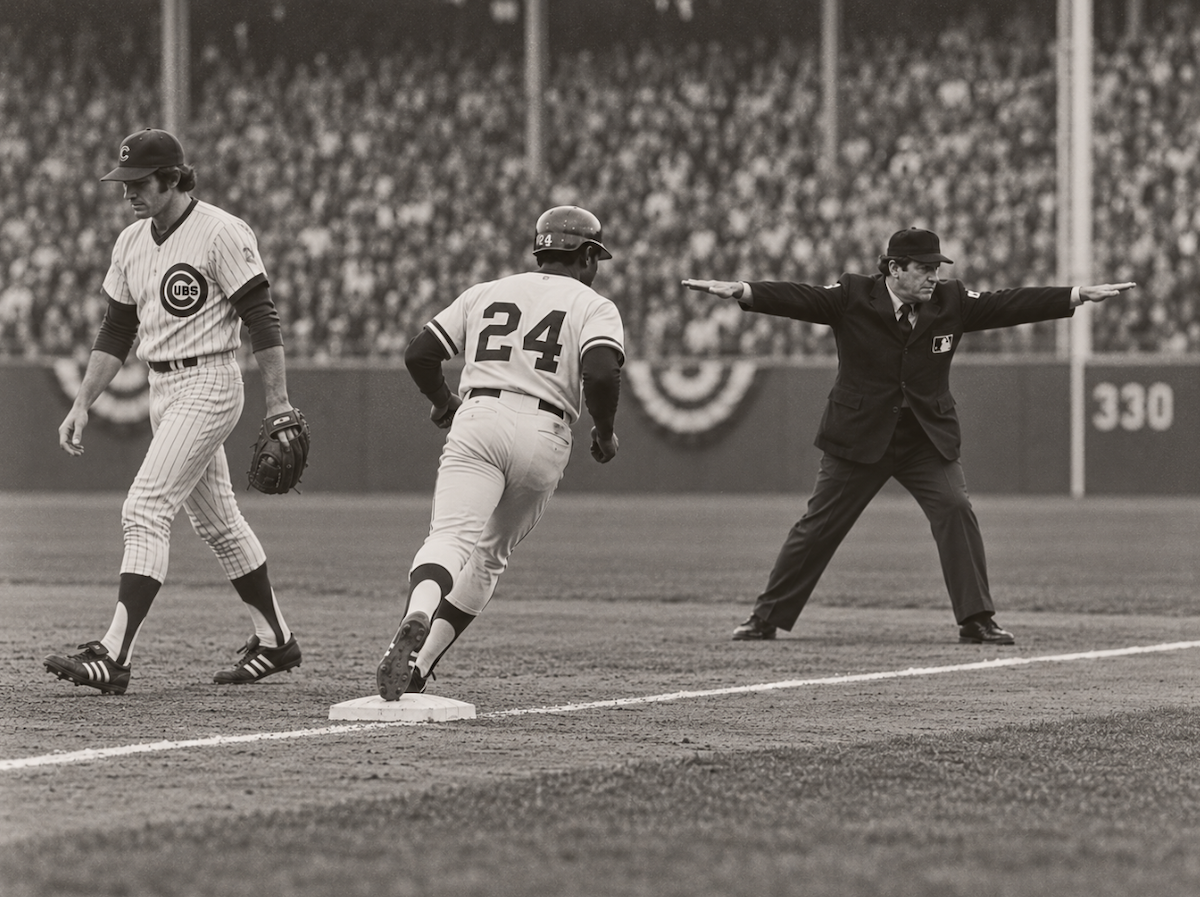
Roll the film on a patient hitter. He works a full count, fouls off two nasty sliders, and draws a walk. The crowd barely reacts. It wasn't a hit. His batting average — hits over at-bats — doesn't move an inch. By that stat, the at-bat may as well not have happened.
But he's standing on first base. He's in scoring position one steal away. He did the job. Batting average just refused to credit him for it.
That blind spot is why on-base percentage exists. OBP counts every way a batter reaches base — hits, walks, hit-by-pitches — against his plate appearances. It captures the quiet, unglamorous contributions that batting average throws in the trash. And here in the Film Room, that's the exact mistake I see in marketing measurement, over and over.
Your Batting Average Is Lying to You
A lot of marketing reporting is pure batting average. It counts the loud, obvious "hits" — the form fill, the purchase, the demo booked — and treats everything else as if the at-bat never happened. The visitor who read three articles, subscribed to your newsletter, and came back twice this month? No hit. Average unchanged. Off the books.
But that person is on base. They're in scoring position. Pretending they don't count because they didn't convert this week is exactly the error of judging a patient hitter by his batting average alone. You're throwing away the part of the game that sets up the runs.
A lead on base is still a run waiting to happen. Stop scoring it as an out.
The Vanity Hit in Disguise
Now, the flip side, because this cuts both ways. There's a darker version of batting average too — counting "hits" that aren't really hits at all. A spike of low-intent signups from a giveaway. A flood of clicks from an audience that bounces in four seconds. Big numbers, loud cheers, and not one of them anywhere near scoring position.
That's a vanity hit. It pads the average and produces no runs. So the discipline runs in both directions at once: count the quiet ways people genuinely advance toward becoming a customer, and stop counting the loud ways they don't. OBP is honest in a way batting average isn't, because it only credits real progress — and it refuses to credit noise.
How to Track On-Base Percentage
Define what "reaching base" actually means for your funnel before you measure anything. It's the set of real, intent-bearing steps short of the sale — a newsletter subscribe, a meaningful return visit, a saved cart, a webinar registration. Then track the rate at which traffic reaches those bases, not just the rate it crosses the plate.
And weight them honestly, the way slugging percentage weights a double over a single. A demo request is a stand-up triple. A newsletter signup is a single. Counting them as equal is its own small lie. When you can see your real on-base percentage, you'll start coaching the at-bats that fill the bases — and stop chasing the vanity hits that just look good in the box score.
The Ref's Call
Yellow flag on the play. Counting only the loud conversions while ignoring the quiet runners — or padding the stat line with low-intent vanity hits — is a Rule 17 foul, Vanity Stats. It's not a campaign-ending penalty, but it skews every decision you make off that scoreboard. Adopt an on-base mindset: credit real progress, weight it honestly, and quit cheering hits that never score. Clean that up and play on.