


The Team With One Star
There's a kind of team that wins big right up until the day it doesn't. Everything runs through one star player. The offense, the defense, the highlight reel — all of it depends on that one person staying healthy. They light up the league for two seasons. Then the star goes down in the third quarter of a meaningful game, and suddenly there's no team there at all. Just ten players who never learned to win without him.
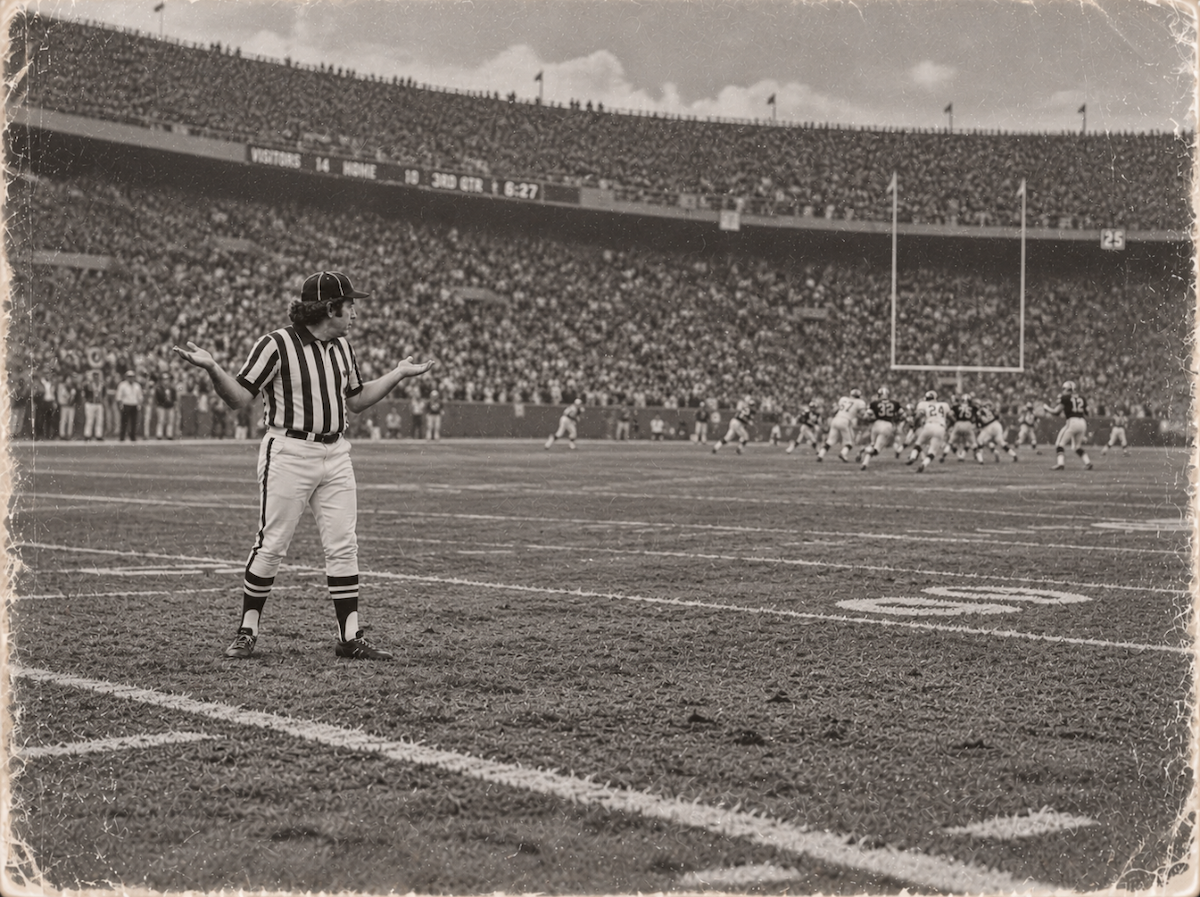
That team is the business that gets all its customers from one channel. One platform. One algorithm. It feels like dominance right up until the moment it becomes a catastrophe — and in marketing, that moment isn't an injury, it's an algorithm update you didn't vote on, didn't see coming, and can't appeal. This is the most dangerous foul in the rulebook, and I'm throwing the red flag on it: Rule 12, Single-Channel Dependency.
Why One Channel Is Rented Land
Here's the uncomfortable truth about most marketing channels: you don't own them. You rent them. Your Google rankings sit on Google's land, governed by Google's rules, revocable by Google's next update. Your social following lives on a platform that can change its feed algorithm overnight and cut your reach by 80% without warning or explanation. Your paid account can be suspended, your ad costs can double, your favorite tactic can stop working — and you have no vote, no appeal, no recourse.
Build your entire house on that land and you're one landlord decision from homeless. It happens constantly. A retailer that lived on one social platform watches a feed change erase its reach. A site that depended entirely on search rankings gets hit by an update and loses half its traffic in a week. They didn't do anything wrong. They just built everything on ground they didn't own.
You can win for years on rented land. You just can't count on the lease — and you'll never see the eviction notice coming.
The Channels You Actually Own
Not all land is rented. Marketing channels come in three deeds, and the mix is what keeps you safe.
- Owned — your website, your email list, your customer database. The land with your name on the deed. Nobody can change the algorithm on your email list. This is the asset that survives every update.
- Earned — word of mouth, press, organic rankings, reviews. You influence it but don't control it. Powerful, but partly on someone else's land.
- Paid — ads on platforms you rent by the click. Fast and effective, and the most rented of all — the moment you stop paying, it stops.
The team that wins long seasons fields all three. Owned gives you a foundation nobody can revoke. Earned gives you credibility and reach. Paid gives you speed and scale. Lean on only one and you've handed your season's fate to a landlord who has never heard of you.
The Move That Saves You: Convert Rented Into Owned
Diversifying isn't just running more channels — it's using the rented ones to build owned ones. Every customer who arrives through a rented channel should be converted, as fast as possible, into someone you can reach on land you control. The visitor from social becomes an email subscriber. The searcher who found you becomes an account holder. The paid click becomes a first-party data record in your own database.
That way, even if a channel vanishes overnight, you keep the relationships it delivered. You stop renting the same customer over and over and start owning the connection. Paid and social become the front door; your owned channels become the house. That's how you make the lease far less terrifying — you got what you came for before the landlord could take it back.
How to De-Risk Monday
Run the honest audit first: what percentage of your customers come from your single biggest channel? If one channel is north of 60 or 70%, you have a star-player problem, and you're one update from a crisis. Then make two moves. First, start a deliberate effort in a second channel of a different type — if you're all paid, build owned; if you're all organic search, add email or a community. Second, install a conversion step on every rented channel that captures customers into something you own. You don't have to abandon your best channel. You just can't let it be your only one.
The Ref's Call
Red flag on the play — this is the foul that ends seasons. Depending on a single channel feels like winning right up until the algorithm changes and there's no team left on the field. Spread your risk across owned, earned, and paid, and convert every rented visitor into an owned relationship. Take Rule 12 — Single-Channel Dependency — seriously before the lease gets cancelled. Build your house on land you own.